Earning a commercial driver’s license is a big step, but it is only one part of getting hired. Trucking companies look at more than a driver’s ability to back up a trailer or pass a skills test. Recruiters also want to know if a new driver will show up on time, communicate well, and represent the company in a professional way. These traits are called soft skills. For anyone learning how to get hired as a CDL driver, soft skills can be the difference between a callback and a missed opportunity.
Why Soft Skills Matter to Trucking Companies
A truck driver often works alone, but the job still depends on people. Drivers talk with dispatchers, dock workers, safety managers, and customers almost every day. A driver who stays calm, listens carefully, and reports problems early helps freight move on schedule.
Carriers also spend time and money on each new hire through orientation and on-the-job training. Because of that, recruiters look for signs that a driver will stay with the company and follow its safety rules. Most new graduates leave school with similar driving skills, since entry-level driver training covers the same core topics. Soft skills give a new driver a way to stand out from others with the same license and the same amount of experience.
Build a Resume That Gets Noticed
A resume is often the first thing a recruiter sees. It does not need to be long or fancy, but it should be clear, accurate, and easy to read. One page is usually enough for a new driver.
A strong trucking resume should include:
- Contact information, including a phone number the driver checks often
- The license earned, such as a Class A CDL, plus any CDL endorsements
- The name of the truck driving school, training hours, and graduation date
- Past jobs with start and end dates, even if they had nothing to do with driving
- Skills that show responsibility, such as a strong attendance record or experience with equipment
Past work matters even outside of trucking. A warehouse job, a background in military service, or years in construction can show a recruiter that a driver is dependable and works well under pressure. Gaps in work history are common, and a short, honest explanation is better than leaving a recruiter to guess.
Before sending a resume, drivers should check for spelling mistakes and make sure every date matches their job applications. Carriers verify employment history, so the details need to line up.
Look Your Best on Interview Day
First impressions count, even in an industry known for work boots and jeans. Recruiters notice how a driver presents themselves, because that driver may one day represent the company at a customer’s loading dock.
A suit is not required. Clean, well-fitting clothes such as a collared shirt, clean pants, and closed-toe shoes are a safe choice. Good grooming matters too. Drivers should remove hats and sunglasses indoors and keep their phone silenced and put away.
Body language also sends a message. A firm handshake, eye contact, and good posture show confidence. Arriving 10 to 15 minutes early gives a driver time to settle in and shows the same punctuality carriers expect on the road. If the interview takes place by phone or video, the driver should find a quiet spot and treat the call as seriously as an in-person meeting.
Communicate Clearly and Ask Good Questions
Recruiters ask a lot of questions, and how a driver answers says a lot about them. Short, direct, and honest answers work best. If a driver has a ticket, an accident, or a gap in employment, it is better to explain it plainly than to avoid the topic. Carriers review driving records during hiring, so honesty builds trust from the start.
Interviews go both ways. A driver who asks thoughtful questions shows real interest in the job and in finding a long-term fit. Good topics include home time, pay structure, equipment, and training for new drivers. United’s list of questions every driver should ask recruiters is a helpful place to start preparing.
It also helps to know what kind of job fits best before the interview. Learning the pros and cons of local and OTR trucking and exploring different truck driver career paths helps a driver give a clear answer when a recruiter asks what they are looking for.
Show Reliability and a Positive Attitude
Reliability may be the most valued soft skill in trucking. Freight runs on tight schedules, and one missed pickup can affect a whole chain of deliveries. Recruiters watch for small signs of reliability during the hiring process, such as returning calls quickly, turning in paperwork on time, and keeping scheduled appointments.
A positive attitude matters as well. New drivers will face long days, traffic delays, and last-minute changes. Recruiters want drivers who can handle these moments without getting frustrated and who are willing to learn from trainers and experienced drivers. That willingness tells a carrier the driver is likely to grow with the company.
Support at home plays a role too. Drivers who take time for getting their family on board can start a new job with fewer worries and a clearer focus.
How United Truck Driving School Helps Students Get Hired
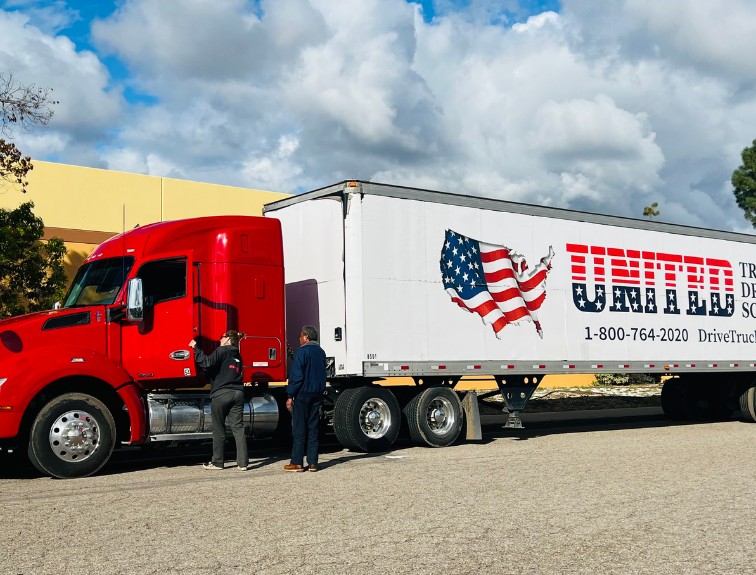
At United Truck Driving School, job preparation is part of the training experience. The job placement team works with each student individually to build a plan of action and learn about the many types of jobs open to newly licensed drivers. Staff also help students weigh the pros and cons of local and long-distance driving based on their family situation.
United brings recruiters from major local and long-distance companies into the classroom. This gives students a chance to practice communication skills, ask questions, and make connections before graduation. Details on these employers are available in the list of trucking companies that hire United graduates. For students who want to work close to home, United keeps an updated list of local companies that hire new graduates with no previous commercial driving experience.
The support goes beyond sharing information. United’s job placement team directly assists students, as needed, with filling out and submitting applications and resumes, contacting recruiters, sending documents to employers, and solving problems that come up during the application process.
Start a Trucking Career With United
A clean resume, a professional first impression, and strong soft skills help new drivers get noticed by employers. With hands-on CDL training and hiring support, United Truck Driving School prepares students for both the skills test and the job search. Prospective students can request information or visit the San Diego or Riverside campus to learn more.
Frequently Asked Questions
What should a driver bring to a trucking job interview?
A driver should bring a valid CDL, DOT medical card, photo ID, and a few printed copies of their resume. A list of past employers with dates and phone numbers can also speed up the application.
Will a trucking company check a driver’s background?
Yes. Carriers review a driver’s motor vehicle record and work history, and federal rules require a pre-employment drug test before a new driver can operate a commercial vehicle.
When should a CDL student start looking for a job?
A student can start during training. Many carriers meet with students before graduation, and some make job offers before training ends.
Can a driver with a speeding ticket still get hired?
In many cases, yes. Each carrier sets its own hiring standards, so a minor ticket may not rule a driver out, but recent serious violations can limit options.
Do CDL endorsements help a new driver get hired?
Yes. Endorsements such as tanker or doubles and triples qualify a driver for more types of jobs.
Is a cover letter needed for a truck driving job?
Usually not. Most carriers use online applications, so a clear resume and a complete, accurate application matter more.
How long does the hiring process take for a new truck driver?
It varies by carrier, but many finish hiring within a few days to a few weeks. Background checks, drug test results, and orientation dates all affect the timeline.