
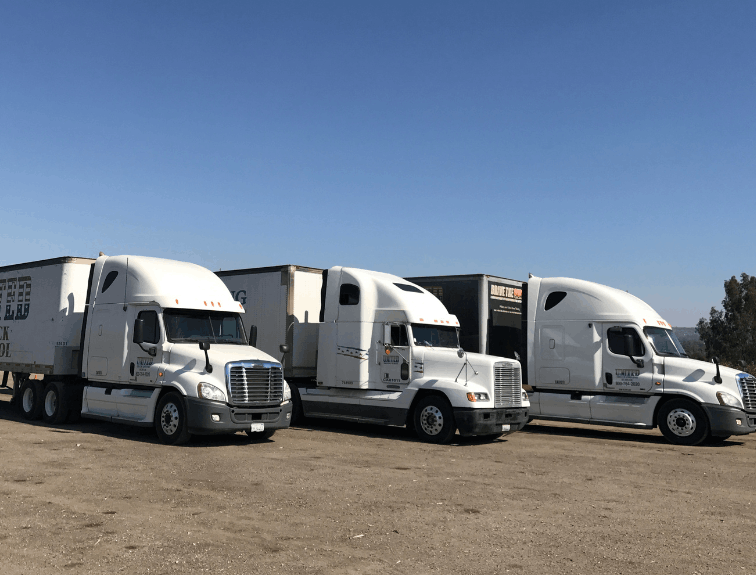
A Class A CDL represents the highest level of commercial driving certification. Major carriers are actively seeking out qualified Class A drivers, and many of our graduates find employment opportunities waiting for them upon completion of their training programs!
Getting your Class A CDL opens doors to some of the best paying truck driving careers available. This license gives you the flexibility to drive the widest variety of commercial vehicles and positions you for the most job opportunities in the transportation industry.
What You Need to Know About Your Class A CDL
- Class A CDL lets you drive the biggest rigs: You’ll be authorized to operate combination vehicles over 26,001 pounds with trailers exceeding 10,000 pounds.
- Maximum job flexibility: With your Class A CDL, you can also operate Class B and C vehicles when you have the proper endorsements.
- Endorsements mean better pay: Specialized endorsements like H (Hazmat), N (Tanker), T (Double/Triple), and X (Tanker/Hazmat combo) qualify you for higher-paying freight hauling positions.
- Training needs to comply with Entry-Level Driver Training Mandate that went into effect in February of 2022.
- You’ll need to pass three skills tests including both written and practical skills tests.
What is a Class A CDL?
A Class A CDL is a commercial driver’s license required to operate any combination of vehicles with a gross combination weight rating (GVWR) of 26,001 pounds or more, provided the towed vehicle exceeds 10,000 pounds in GVWR. This license represents one of three primary CDL classes established for operating commercial motor vehicles. The Class A allows drivers to handle the most complex vehicle combinations, including:
- Tractor-trailers
- Semi-trucks
- Flatbed trailers
- Tanker vehicles
- Livestock carriers.
What makes the Class A CDL so valuable? This license provides the most versatile commercial driving ability among all CDL classifications. Class A holders can operate the widest variety of commercial vehicles and access the broadest range of trucking career opportunities. This flexibility makes the Class A license particularly valuable for those pursuing long-haul or over-the-road trucking careers.
Earning and maintaining a Class A CDL requires meeting higher standards than non-commercial vehicle operation. The Federal Motor Carrier Safety Administration (FMCSA) mandates that commercial drivers demonstrate an elevated level of knowledge, experience, skills, and physical abilities. Students must pass both detailed skills and knowledge testing designed to verify competency at these elevated standards. CDL holders face stricter accountability when operating any motor vehicle on public roads, as serious traffic violations can jeopardize their license.
The differences between a Class A CDL and other commercial licenses center on weight and vehicle configurations. Combination vehicles such as tractor-trailers consistently meet Class A requirements due to their inherent design and weight distribution. Any scenario involving a commercial trailer exceeding 10,000 pounds needs Class A certification. The specialized training required for CDL-A vehicles reflects the greater skill demands associated with maneuvering these larger combination units.
What Vehicles Can You Drive with a Class A CDL?
The Class A CDL opens doors to drive some of the widest variety of commercial vehicles on the road. These vehicles share one important requirement – exceeding 26,001 pounds GVWR with towed units surpassing 10,000 pounds. Let’s explore the career opportunities each vehicle type can offer.
Tractor-trailers
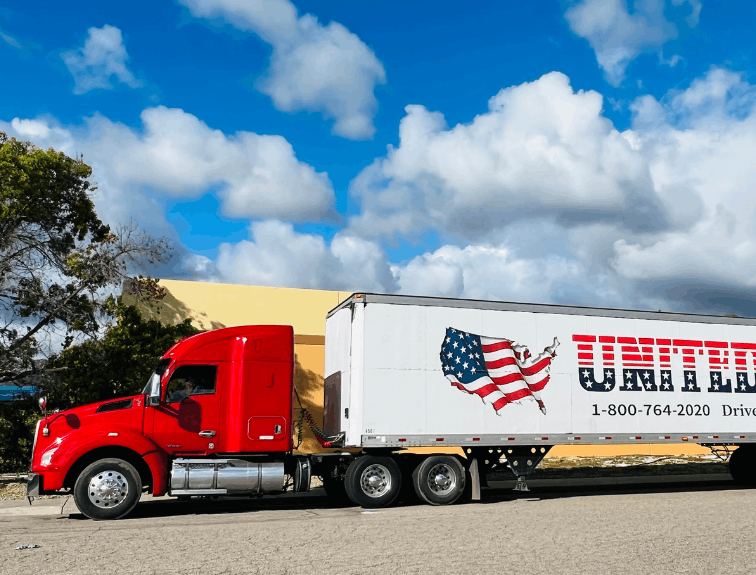
When most people think of truck driving, tractor-trailers come to mind first! Commonly called semi-trucks, big rigs, or 18-wheelers, these vehicles handle the majority of freight transportation across interstate highways. The tractor connects to a separate trailer unit, creating exactly the type of combination vehicle your Class A CDL prepares you to handle.
This is where many of our graduates start their professional driving careers. Major carriers are actively seeking qualified drivers for these positions.
Tanker Vehicles
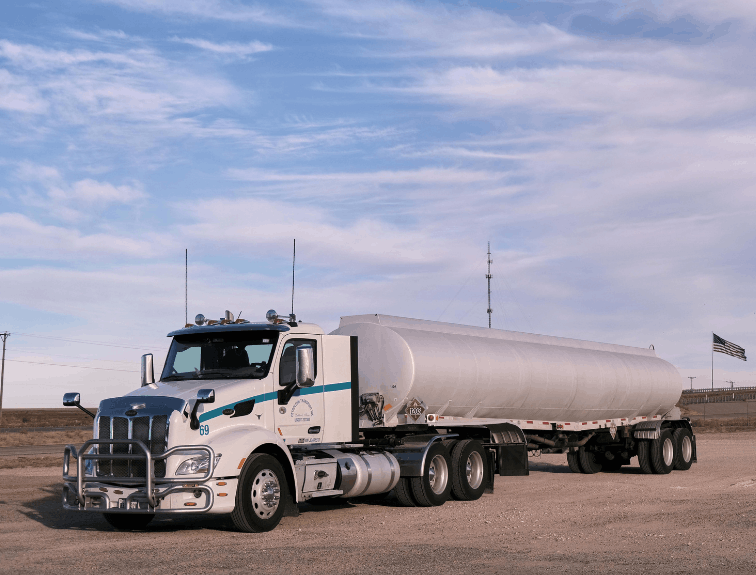
Tanker vehicles represent specialized opportunities for drivers looking to increase their earning potential. These units transport liquid or gaseous materials in specialized tank containers. You’ll handle everything from petroleum prod
ucts and chemicals to food-grade liquids. The tanker classification applies to vehicles with individual tank capacities exceeding 119 gallons and total volumes of 1,000 gallons or more.
Keep in mind that operating tanker vehicles requires additional endorsement beyond your base Class A license. This specialized training often leads to higher-paying positions!
Livestock carriers
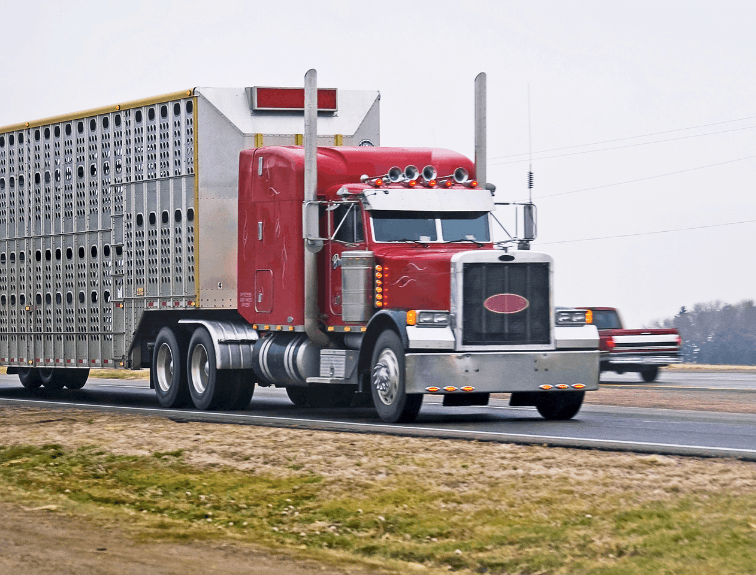
Are you interested in working with animals? Livestock carriers transport cattle, hogs, and other livestock across regional and national routes. These specialized trailers feature ventilation systems and partitioned compartments designed for animal welfare duri
ng transport. Livestock hauling positions typically require documented commercial driving experience in addition to Class A certification.
Flatbed trailers
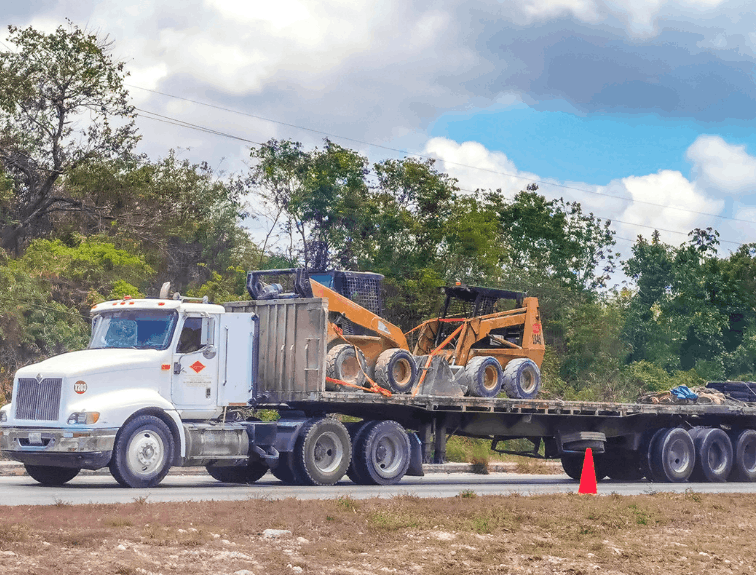
Flatbed operations offer variety and excitement for drivers who enjoy hands-on work. These trailers accommodate oversized loads and construction equipment that cannot fit within enclosed trailers. The open platform design allows loading from multiple angles and helps transport dimensional cargo. Flatbed operations frequently involve loads that exceed standard trailer dimensions, requiring specialized securement knowledge.
Truck and trailer combinations
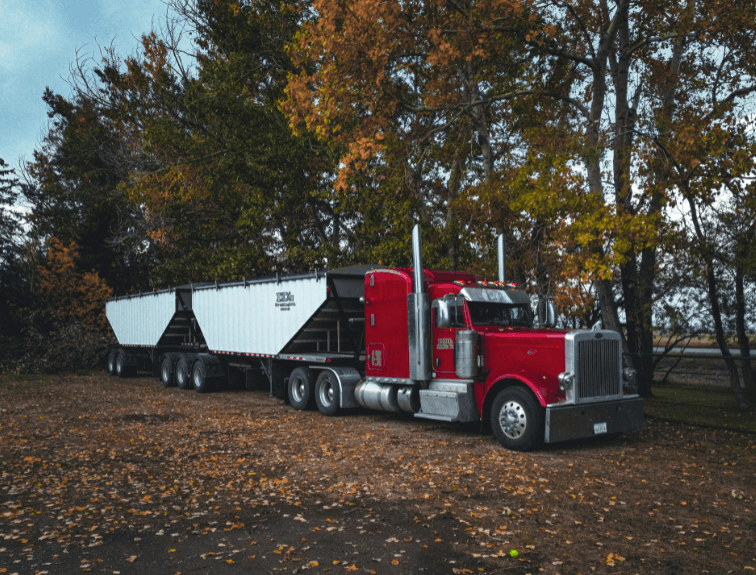
Looking for an even greater challenge? Truck and trailer combinations include double and triple trailer configurations where multiple units attach in sequence. These arrangements require the double/triple trailers endorsement when the combined GVWR of multiple towed units exceeds 10,000 pounds. Your Class A authorization also extends to most Class B vehicles when accompanied by appropriate endorsements.
This means maximum flexibility in your driving career!
Want to Boost Your Earning Potential? Here’s What CDL Endorsements Can Do for You!
Endorsements are special certifications that allow you to operate specialized vehicles and haul restricted cargo types. Each endorsement opens up new job opportunities and often means higher pay. Additional knowledge testing is required for each endorsement, and some need federal security clearances. These endorsements include:
- Hazardous Materials (Hazmat – H)
- Tanker Vehicles (N)
- Doubles/Triples (T)
- Passenger (P)
How to get a Class A CDL
Federal regulations mandate specific procedural steps for obtaining Class A CDL certification, with standardized requirements implemented through the Federal Motor Carrier Safety Administration (FMCSA).
Meet the Training Requirements
In order to start CDL training, you need to meet the basic CDL requirements set by the FMCSA. These requirements are:
- At least 18 years old (21 for interstate driving)
- A valid drivers license
- High School Diploma or GED
- Proof of legal residency
Attend ELDT-Compliant Training
Entry-Level Driver Training (ELDT) comprises theory and behind-the-wheel components covering:
- Basic operation,
- Safe operating procedures
- Advanced operating practices
- Vehicle systems
- Reporting malfunctions
- Non-driving activities
Training must occur through providers registered on the FMCSA Training Provider Registry. Upon successful completion, providers electronically submit certification to the registry. Applicants must possess a CLP for 14 days before skills test eligibility.
Pass the CDL Skills Tests
The CDL skills examination consists of three mandatory components: vehicle inspection test, basic controls test, and road test. The vehicle inspection requires identifying up to 90 components and verifying safety readiness. Basic controls assessment evaluates forward stop, straight-line backing, forward offset tracking, and reverse offset backing maneuvers.
Start your journey to becoming a Class A CDL driver. Find out how to take the first step with United Truck Driving School.
FAQs
Can I drive Class B and Class C vehicles with a Class A CDL?
Yes, a Class A CDL allows you to legally operate vehicles that require Class B or Class C licenses when you have the appropriate endorsements. This makes the Class A license the most versatile commercial driving authorization, providing the broadest range of employment opportunities.
Do I need ELDT training if I got my CDL before 2022?
No, the Entry-Level Driver Training (ELDT) requirements only apply to drivers who were issued a Commercial Learner’s Permit on or after February 7, 2022. Drivers who obtained their CDLs or relevant endorsements before this date are exempt from ELDT requirements.
What are the three parts of the CDL skills test?
The CDL skills examination consists of a vehicle inspection test (identifying up to 90 components), a basic controls test (evaluating maneuvers like straight-line backing and offset tracking), and a road test. All three components are mandatory to obtain your Class A CDL certification.
How long does it take to get a Class A CDL?
Federal rules require that a truck driving student train for a minimum of 160 hours in order to earn their Class A CDL – this is generally represented by a
Recent Comments