
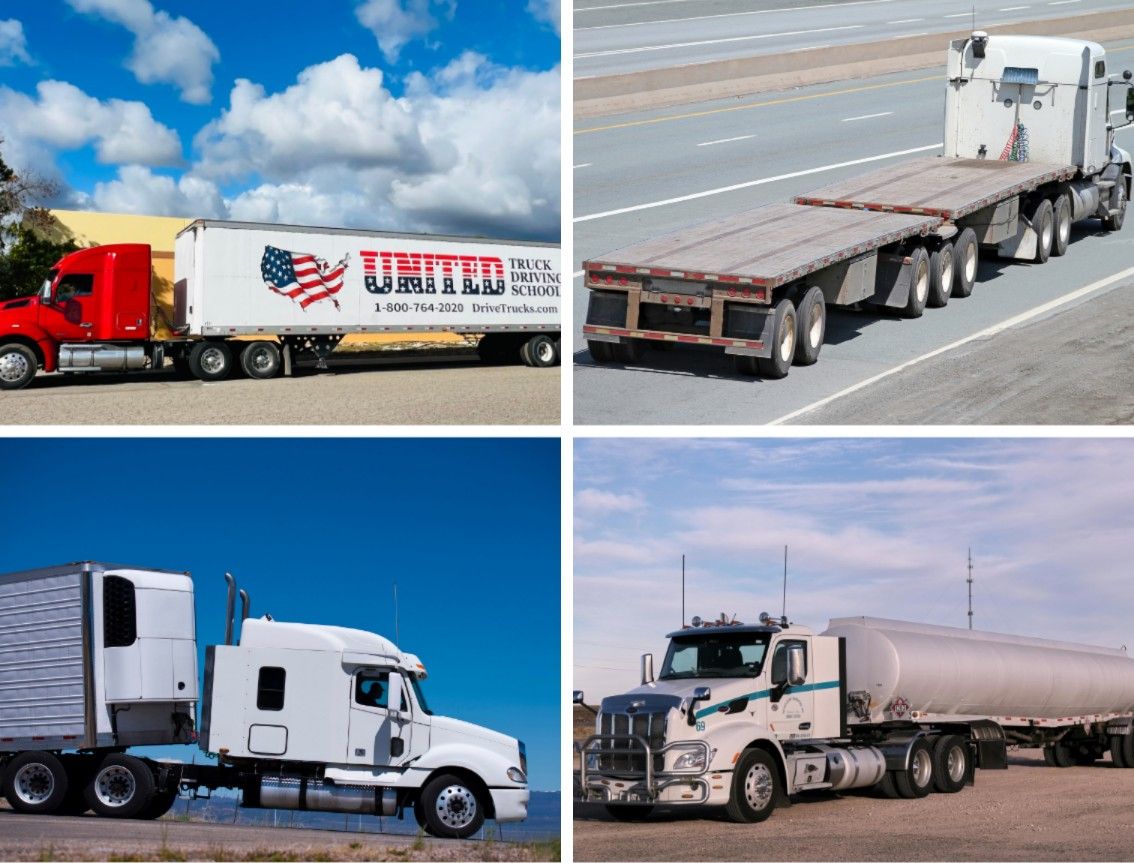
A truck driving career offers steady work, good pay, and options for many different lifestyles. The U.S. Bureau of Labor Statistics projects a 4% increase in demand for truck drivers through 2031, with about 259,900 new job openings each year.
There are many different career paths in this field. Some drivers haul freight across the country for weeks at a time. Others work local routes and are home every night. This guide breaks down 9 career paths so drivers can find the one that fits their goals.
1. Local Delivery Driver
Day-to-Day Work
A local delivery driver picks up and drops off packages along assigned routes. Responsibilities include reviewing invoices, following safe loading and unloading procedures, getting signatures from customers, and logging deliveries. Drivers also handle basic vehicle inspections and report any maintenance needs.
What Employers Look For
Most employers require a valid driver’s license, a clean driving record, and a high school diploma or GED. Drivers must be able to lift up to 50 pounds. Knowledge of GPS apps and route planning tools is helpful.
Work-Life Balance
Local delivery is one of the best paths for work-life balance. Drivers return home every night and usually work day shifts. The trade-off is lower pay compared to long-distance routes.
2. Over-the-Road (OTR) Driver
Day-to-Day Work
OTR drivers complete pre- and post-trip inspections, plan routes, secure loads, and keep detailed logs of hours and expenses. They communicate with dispatchers and customers about delivery timelines and any delays.
What Employers Look For
A Class A CDL is required. Optional endorsements include HAZMAT (H), Tanker (N), Double/Triple Trailer (T), and Combination (X). Drivers must pass DOT medical standards and drug testing, and maintain a clean record with no more than three accidents or moving violations in the last three years.
Advancement
OTR drivers can advance into training roles, fleet management, or become owner-operators. Many experienced OTR drivers eventually purchase their own trucks and contract directly with shippers.
3. Flatbed Driver
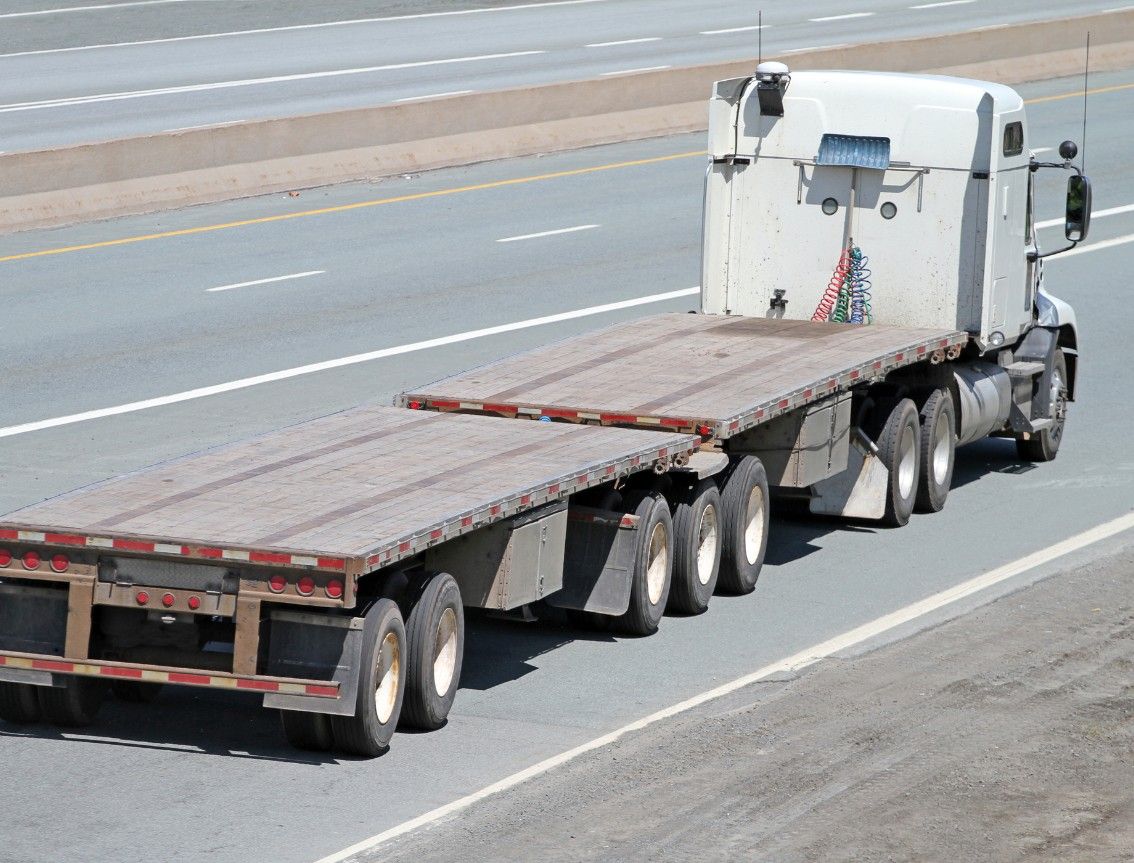
Day-to-Day Work
Flatbed drivers haul oversized or irregular loads such as steel, lumber, and heavy equipment. They secure cargo with chains, straps, and tarps, and check load stability throughout the trip. Pre- and post-trip inspections are required every day.
What Employers Look For
A Class A CDL and a clean driving record are required. Most carriers provide load securement training during onboarding. Drivers must be physically fit since the job involves loading, unloading, and working in various weather conditions.
Safety Notes
Federal rules require at least one tie-down for every 10 feet of cargo, with a minimum of two tie-downs for anything over five feet. Slip-resistant gear and careful planning help prevent falls from trailer decks.
4. Tanker Driver
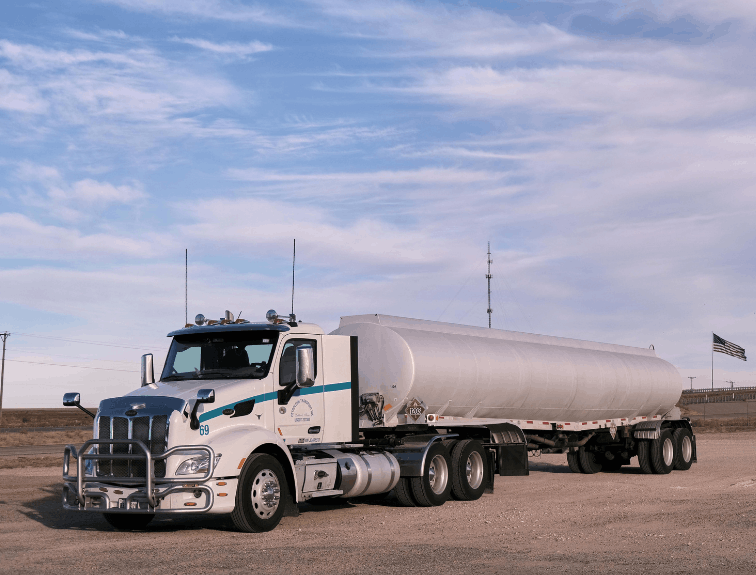
Day-to-Day Work
Tanker drivers load and unload freight using pumps and hoses, monitor gauges, and maintain detailed records on transported materials. They must manage the surge effect of liquid cargo, which changes how the truck handles during turns and stops.
What Employers Look For
Drivers must be at least 21 years old and hold a Class A CDL. Prior tractor-trailer experience is preferred. The job requires physical capability for handling hoses and climbing ladders to check tank manholes.
Endorsements Required
The N endorsement is needed to haul liquid or gas in containers over 1,000 gallons. The H endorsement covers hazardous materials like gasoline and propane. The X endorsement combines both. Drivers delivering to ports may also need a TWIC card.
5. Refrigerated (Reefer) Driver
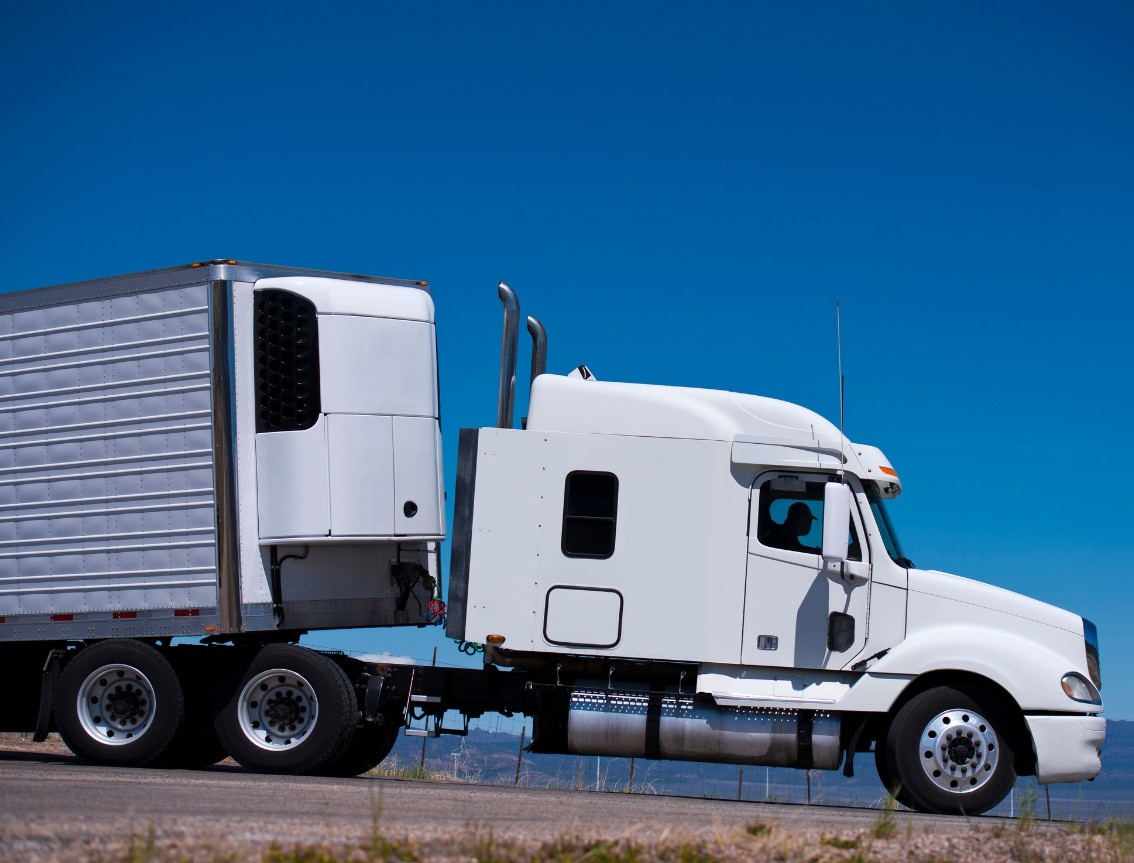
Day-to-Day Work
Reefer drivers inspect and monitor refrigeration units before and during each trip. They maintain strict temperature logs, refuel the reefer unit separately from the tractor, and clean trailers between loads to meet food-grade standards.
What Employers Look For
A Class A CDL is required. Candidates must be at least 21 years old and provide three years of employment history. A DOT physical, drug test, and medical certification are also required. Attention to detail is critical in this role.
Industry Demand
Demand for reefer drivers stays strong year-round due to the consistent need to ship perishable goods across multiple industries.
6. Team Driver
Day-to-Day Work
Both drivers share responsibilities for inspections, loading and unloading, paperwork, and dispatcher communication. Teams are often assigned high-priority loads with tight delivery windows.
What Employers Look For
A Class A CDL is required. Drivers must be at least 21 years old and have a clean record with no DUI, DWI, or license suspension in the last five years. New CDL holders can partner with experienced drivers to get started.
Safety and Partnership
Fatigue is a factor in about 13% of trucking accidents. Team driving reduces that risk by keeping drivers well-rested. Some companies use compatibility programs to match drivers, which helps reduce turnover and conflict.
7. Hazmat Driver
Day-to-Day Work
In addition to standard driving duties, hazmat drivers maintain shipping papers, place correct placards on vehicles, supervise loading and unloading, and file incident reports when needed. Compliance with federal safety plans is a core part of the job.
What Employers Look For
Candidates must be at least 21 years old and hold a valid CDL. A clean criminal record is required; the Transportation Security Administration runs a background check on all applicants. No violent or terrorism-related convictions are permitted.
Training Requirements
The H endorsement requires passing a written hazardous materials exam and completing Entry-Level Driver Training from an approved provider. This training has been mandatory since February 2022.
8. Owner-Operator
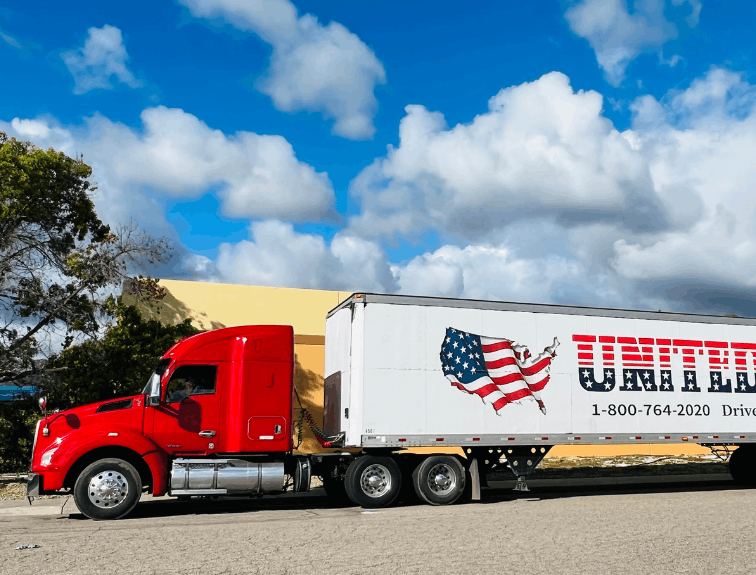
Day-to-Day Work
Beyond driving, owner-operators handle all business tasks including tracking income and expenses, scheduling maintenance, managing insurance, and staying in compliance with DOT and FMCSA rules. They operate without the support systems a company provides.
What Employers Look For
A CDL with the appropriate endorsements is required. Most successful owner-operators have several years of company driving experience before going independent. Good credit and enough capital to cover startup costs are also important.
Financial Considerations
Startup costs typically run $15,000 to $30,000. Liability insurance coverage of $750,000 to $1 million is required, along with $100,000 in cargo insurance. Fuel averages $60,000 to $80,000 per year, and maintenance represents about 10% of total expenses. Quarterly tax payments of 25-30% of net income are also required.
and daily experiences.
9. Less-Than-Truckload (LTL) Driver
Day-to-Day Work
LTL drivers fall into two groups: pickup and delivery (P&D) drivers who handle 10 to 12 stops per day in city routes, and linehaul operators who move freight between regional terminals. Day and night shifts are available depending on the company.
What Employers Look For
A CDL is required. A clean driving record and physical ability to handle freight are also expected. Most LTL drivers do not need years of experience to get started.
Work-Life Balance
Most LTL drivers return home every night. Routes often follow the same schedule each week, creating a predictable routine that many drivers prefer.
Quick Comparison: All 9 Career Paths
The table below compares pay, home time, cargo type, licensing, experience, and physical demands across all 9 paths.
| Career Path | Home Time | Cargo Type | License/Endorsements | Experience | Physical Demands |
| Local Delivery | Home nightly | Packages, goods | CDL (some roles) | Entry-level OK | Lift up to 50 lbs |
| OTR Driver | 2–4 weeks out | Freight across US, Canada, Mexico | Class A CDL; optional H, N, T, X | General exp. preferred | Lift up to 50 lbs |
| Flatbed | Extended time away | Steel, lumber, machinery | Class A CDL | Exp. preferred; training given | High; tarping, loading |
| Tanker | Local, regional, or OTR | Liquids, chemicals, petroleum | Class A CDL + N, H, or X | Tractor-trailer exp. preferred | Hoses, ladders, tank tops |
| Refrigerated (Reefer) | Not specified | Food, pharma, medical, flowers | Class A CDL | 3 yrs employment history | Detail-oriented |
| Team Driver | Continuous operation | Time-sensitive freight | Class A CDL | New CDL OK with experienced partner | Not specified |
| Hazmat | Not specified | Flammable, explosive, toxic materials | CDL + H endorsement | Not specified | Not specified |
| Owner-Operator | Self-set schedule | Self-selected | CDL + applicable endorsements | Several yrs as company driver | Not specified |
| LTL Driver | Home nightly | Consolidated freight, multiple shippers | CDL | Not specified | 10–12 stops/day for P&D |
Choosing the Right Path
Every truck driving career path offers a different balance of pay, home time, and required skills. Local and LTL positions are strong choices for drivers who want to be home every night. Long haul, OTR, and team driving offer higher pay in exchange for more time on the road. Tanker, hazmat, and flatbed roles require additional training and certifications but also command higher wages.
Owner-operators take on the most responsibility but also have the highest earning potential and the most independence. The right starting point depends on personal goals, lifestyle preferences, and willingness to pursue additional endorsements over time.
The industry outlook for 2026 and beyond is strong. Qualified drivers continue to be in high demand, and many graduates from CDL programs find job opportunities waiting for them before they finish training.
Frequently Asked Questions
What truck driving career path pays the most?
Owner-operators and tanker drivers tend to earn the most. To learn how much money different truck driving careers make, check out our other blog here.
Which career path is best for drivers who want to be home every night?
Local delivery and LTL driving offer the most consistent home time. Both paths follow predicable daily schedules with little to no overnight travel.
Why do some truck driving jobs pay more than others?
Higher pay is usually tied to added responsibility, specialized endorsements, or extended time away from home. Jobs like hazmat, tanker, and flatbed require extra training and carry higher risk, which is reflected in the pay.
How much does it cost to become an owner-operator?
Startup costs typically run $15,000 to $30,000, not including the cost of the truck. Drivers also need $750,000 to $1 million in liability insurance and $100,000 in cargo insurance before hauling commercially.
What is the difference between OTR and long haul driving?
The terms are often used interchangeably, but OTR typically refers to any long-distance route that requires a sleeper cab and extended time away from home. Long haul generally describes routes over 1,000 miles. Both require a Class A CDL and offer similar pay ranges.
Is truck driving a stable career?
Yes. The U.S. Bureau of Labor Statistics projects 4% growth in truck driving jobs through 2031, with about 259,900 new openings annually. Demand remains steady across freight, food, retail, and medical supply chains.
Recent Comments